The Best Podcast Intro Music for Every Show Type
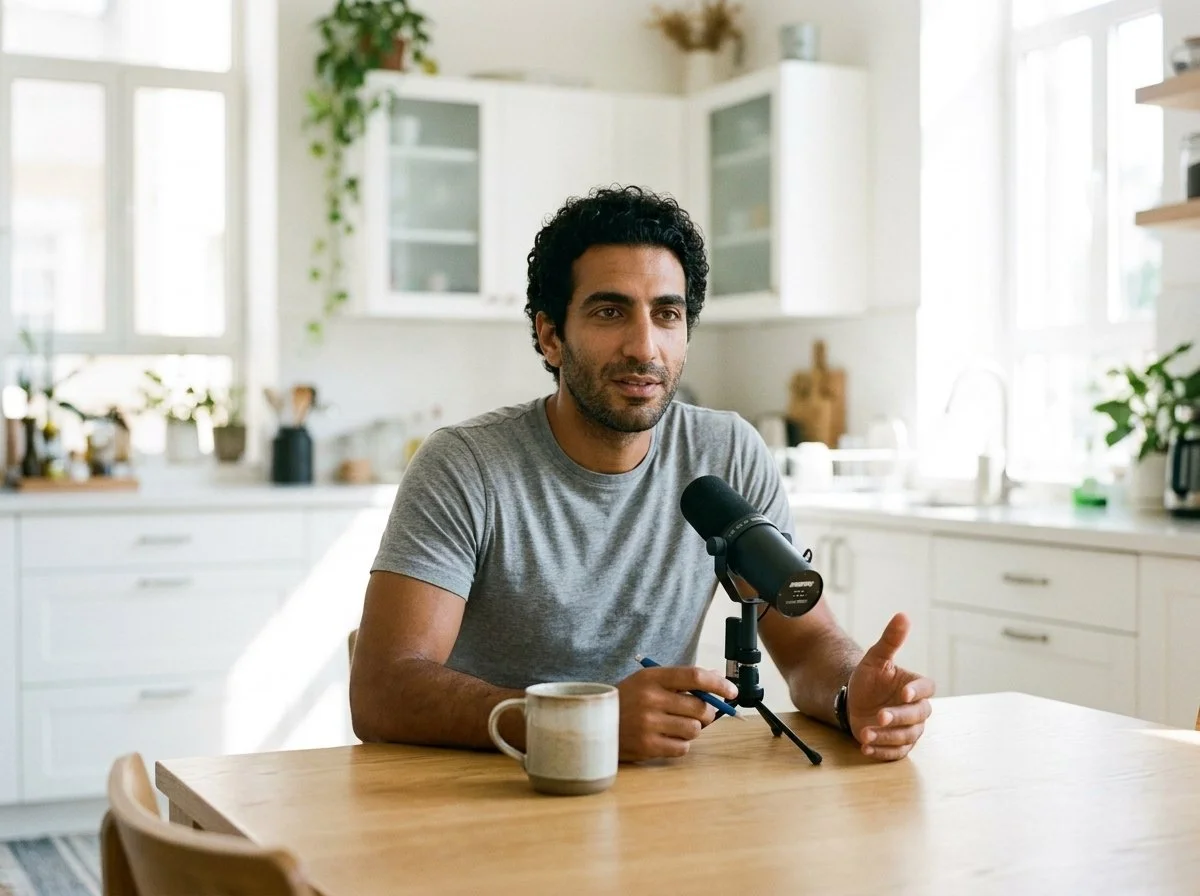
There's no single best podcast intro music. There's only the right music for your specific show — and getting that fit right makes more difference than most creators expect.
This guide breaks it down by show type so you can make a faster, better decision. If you find it useful to hear how established shows handle this before making your own decision, this post looks at podcast intro examples across formats.
Why Show Type Matters
Intro music does its job before you've said anything. It tells the listener what kind of show they're in — the tone, the pace, the register. When the music matches the content, listeners settle in. When it doesn't, there's a low-level friction that's hard to put your finger on but easy to feel.
A true crime show with cheerful, bouncy music creates doubt before the host speaks. A comedy podcast with a dark, brooding intro sets the wrong expectation. The mismatch doesn't have to be that obvious to matter — subtle tonal differences still affect how listeners receive what follows.
Interview and Conversation Shows
Interview podcasts are the most common format, and they have the most flexibility in terms of music. The host's personality is usually the brand, so the music is supporting that rather than establishing a strong independent mood.
What works: something with warmth and forward momentum. Not too intense — you don't want to set expectations the conversation then has to live up to. Clean, professional, and energetic enough to signal that something worthwhile is about to happen.
What to avoid: anything too dramatic or cinematic. An interview show with a tense, building intro creates a tonal mismatch the moment two people start chatting casually.
Browse the Upbeat style or Chilled style at Introbleep for tracks that work well in this format.
True Crime and Investigative Shows
True crime is one of the few podcast genres where the intro music actively shapes the listening experience rather than just framing it.
What works: something atmospheric and building. Minor key, controlled tension, a sense that something significant is about to be revealed. The music should make the listener lean in, not sit back.
What to avoid: anything too on-the-nose — overly dramatic horror-style music signals low production values. Subtlety works better than spectacle here.
The Moody style at Introbleep is built for exactly this kind of show — dark and character-driven without tipping into cliché. For a full breakdown of what makes true crime intro music work — and the specific mistakes to avoid — this post goes deeper on the genre.
Educational and How-To Shows
Educational podcasts — business, self-improvement, skill-building — need music that signals competence without being cold. The listener is there to learn something useful, and the intro should make them feel like they've come to the right place.
What works: clean, minimal, and confident. Something that sounds considered and professional without being corporate or stiff.
What to avoid: anything too playful or too intense. Both undermine the credibility the format depends on.
The Elegant style works well here — refined and minimal, with enough character to feel deliberate rather than generic.
Comedy and Entertainment Shows
Comedy podcasts have the most room to play with. The intro music can be irreverent, unexpected, or deliberately over-the-top — as long as it's in on the joke.
What works: something with energy and personality. Upbeat tracks with a distinctive character work well. If the show has a specific running gag or recurring theme, the music can lean into that.
What to avoid: anything generic or forgettable. A comedy show with bland intro music signals a lack of self-awareness that the content then has to overcome.
The Upbeat style gives you tracks with momentum and personality that suit a show that doesn't take itself too seriously.
Narrative and Storytelling Shows
Narrative podcasts sit closest to radio drama and documentary filmmaking. The intro is part of the story — it sets a scene, creates anticipation, and tells the listener they're in for something crafted.
What works: music with genuine arc and development. Something that builds, has a clear emotional centre, and creates atmosphere rather than just background noise. Longer intros — up to 30 seconds — are more justified here than in any other format.
What to avoid: anything too generic or looping. Narrative listeners are attuned to production quality. Stock-sounding music undercuts the credibility of the storytelling before it's started.
The Moody style or Chilled style can both work here depending on the tone of the story — atmospheric and dark, or understated and reflective.
The Short Version
Match the music to the tone of your content, not just the topic. An interview show needs warmth and momentum. True crime needs atmosphere and tension. Educational shows need clean confidence. Comedy needs personality. Narrative shows need genuine arc. Get the tone right and the rest — length, volume, transition — falls into place more easily.
Browse intro music by style at Introbleep and preview before you buy.